I keep having conversations I wouldn’t have had five years ago. Not with swivel-eyed revolutionaries, but with business owners, directors and professionals. People who’ve worked hard, paid their taxes, raised families, obeyed the law and generally got on with life.
They’re fed up with councils, government and its agencies. Not the everyday irritation of potholes or planning disputes. Something much deeper: a growing anger at the entire relationship between ordinary people and the state, both local and national.
I’m one of them. I’ve got to the point where I wonder whether working more is worth the bother. Why get up at four, spend £100 getting to London (with the council hectoring me every mile of the drive to the station), put in a long day and then hand a hefty slice of what I’ve earned to a government whose policies I think are making my life worse?
I’d rather stay at home and walk the dog. At least the mob at Weknowbestminster haven’t worked out how to tax dogs yet. Give them time, mind, it’s only a week to the next budget.
I can afford the tax. I just resent paying it more than I ever have.
It’s not just me. The numbers say so.
And I’m clearly not alone. In 2022, according to British Social Attitudes, 55% of people backed higher taxes and more spending. By 2025 it was 36%.
The share wanting lower taxes and less spending hit 19%, the highest since the survey started in 1983. Ipsos found in August that 45% of us would now take personal tax cuts even if public services lost out, up from 36% in February.
And UCL and More in Common found that three-quarters of people think the government has little or no respect for them.
Something has shifted between the governed and those doing the governing, and I don’t think it’s going to shift back on its own.
Whose life is it anyway?
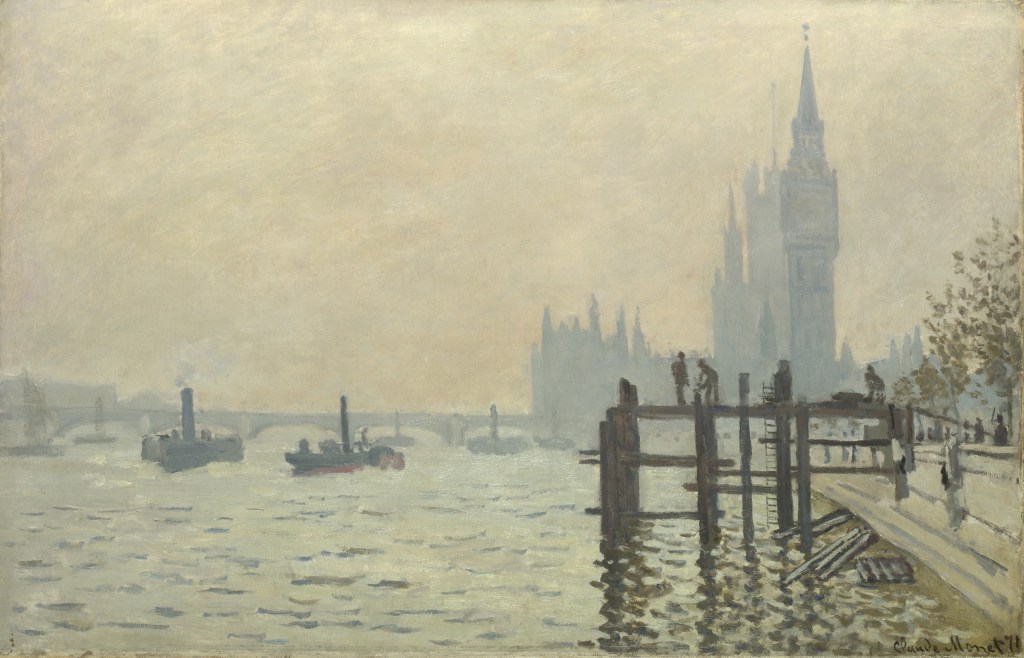
My view of government’s job is pretty simple. It provides the blank canvas on which we paint our lives. It’s not there to choose the subject, ration the colours, tell us which brushes to use, inspect the brushwork and fine us when it doesn’t like the result. Spend our money on roads that work, police who turn up, decent public services, fair courts and sensible protection from genuine harm. Then, as far as possible, leave us be.
What we’ve got instead is a vast machine of rules, nudges, charges, restrictions and penalties, run by people who seem to think the public exists to comply with their policies rather than the other way round.
Underneath much of it sits a corrosive idea: that the people closest to a problem are the least qualified to fix it. Anyone who lives on a street knows more about it than whoever’s running the traffic model. Anyone who runs a business knows more about its problems than someone who’s only ever been a recipient of a payroll. That doesn’t make residents or business owners right every time, and of course what we do affects other people. But the starting point ought to be that people make their own decisions unless there’s a bloody good reason to stop them.
And choice should be real choice, not three pre-sanitised options that all end up exactly where the people in charge wanted them to. Yes, Citizens’ Assemblies, I’m looking at you.
When compliance turns to contempt
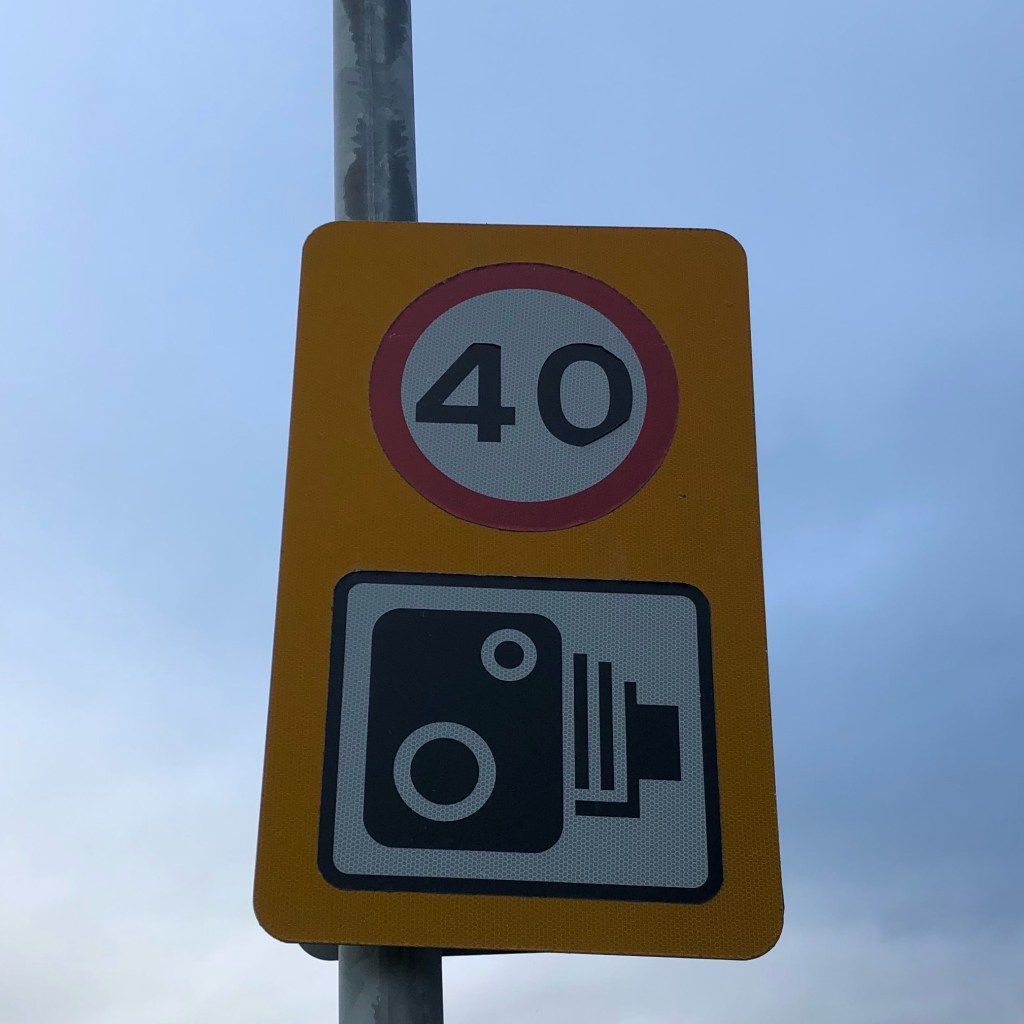
What worries me most is what all this is doing to people’s willingness to go along with things. I’ve heard professional people – not chancers, not single – let alone repeat – offenders – talking about obscuring their number plates to dodge parking, ULEZ, bus gate, bus lane, LTN and High Street ANPR cameras. Tyre on the white line? £100. Drive down the newly bus-ised High Street? Another £70.
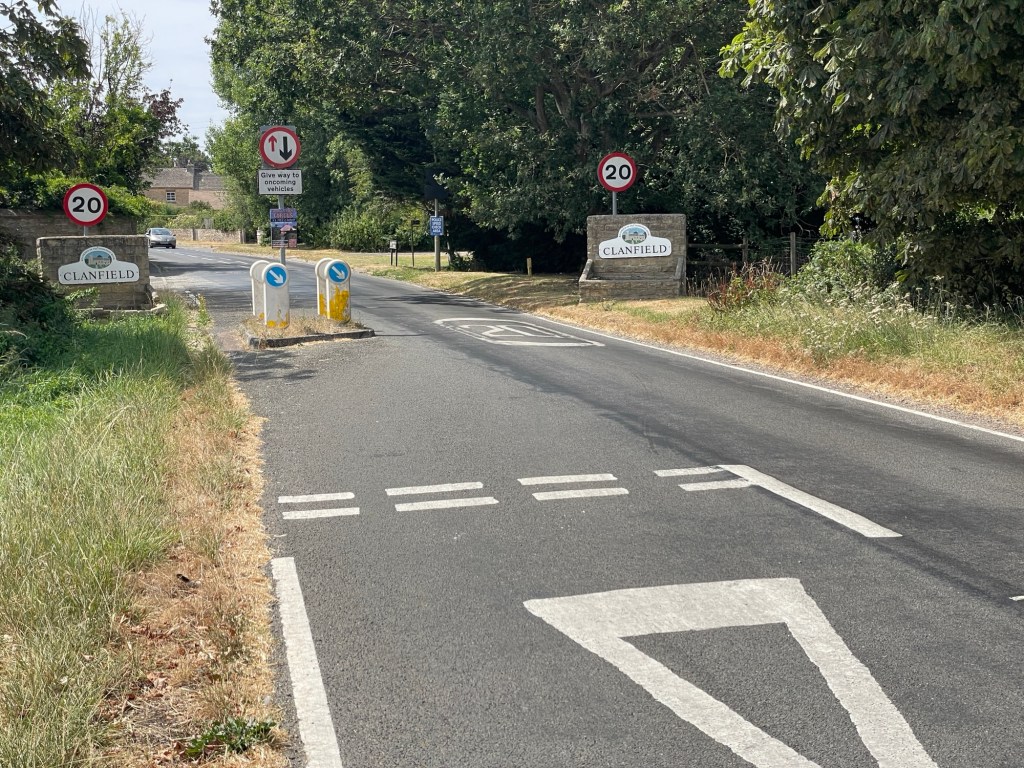
One friend I spoke to last week had been sent on a speed awareness course for doing 22mph in a 20mph limit. The limit used to be 40. It was 6am, the road was empty and he was on a scooter. Proportionality, anyone?
Get stung like that often enough and people stop seeing the rules as fair and start seeing them as a racket and those making and enforcing them as racketeers.
When decent, law-abiding people think like that, government needs to ask itself some very awkward questions. It won’t, of course. It’ll put up another tranche of cameras, raise the fines and ram through tougher number plate laws. I can’t remember a time when politicians were so determined not to listen, so quick to damn and so contemptuous of ordinary people’s interests.
Push compliance hard enough and all you get is resistance. Ask TfL how many ULEZ cameras the Bladerunners have cut down. Ask councils in the south west of England what happened when they tried to impose and force up parking charges at beaches in Devon and Cornwall. Wonder if they’ve got the superglue out of the meters yet?
I suspect politicians are in for rather more than a bad poll and even more kicking on social media (heck, you should see the local Facebook groups). We’re alreaedy seeing it with organised local opposition, legal challenges, peaceful civil disobedience and communities flatly refusing the next scheme dreamt up for their own good. We’re not far off councils and the state’s representatives being treated with the contempt they seem to eager to show us – or, perhaps worse from their point of view, simply being ignored.
What if we just did it – better – ourselves?
The next step may be people organising themselves and showing they can do a better job than the council. The most awkward thing you can do to an overbearing institution isn’t to defy it – it’s to show how much gets done without it. And that won’t follow party lines. Being sick of being told what to do is something people who disagree on almost everything else can agree on.
Yes, government has to govern. We need rules, collective decisions and protection for people whose interests clash with ours. But that’s an argument for judgement and proportion, not an open door for the state to walk in, sit on our sofas and demand we change the wallpaper because they don’t like it.
Put down the bloody brush – it’s our painting
So what would I like to see? At the heart of it needs to be a change of attitude. Stop treating the public going about their daily, lawful business as a problem to be managed. Stop reaching for the regulation stick every time something’s inconvenient, or a penalty every time someone does something you’d rather they didn’t.
Next, make public bodies show that an intervention is actually needed, that it’s worth what it costs and that something lighter wouldn’t do the job. Give communities a real say, including the right to say no, rather than inviting comments on how a decision that’s already been made should be rolled out. (Oxfordshire County Council, rubber stamp at the ready – yes, I mean you.) And remember that just because you can do something doesn’t mean you should.
Above all, a bit of humility wouldn’t go amiss. Government doesn’t have a monopoly on brains, decency or good sense. Quite often the most useful thing it can do is get out of the way.
Four Laws for people who make laws
I’d actually like to propose four, simple laws for politicians and bureaucrats:
Humanity: Have we recognised that people behave differently from machines? It might appear messier than we like, but have we allowed the people closest to the problem to find their own solution without our interference?
Necessity: Are we doing this to satisfy our own ideology or is what we’re planning truly needed? For whose practical benefit is it? Are we doing with or doing to?
Humility: What don’t we know, and who else should we listen to; particularly those who bear the consequences? Have we been asked to help or are we imposing?
Consequence: Have we considered all the possible – not just the obvious – consequences? And who bears those consequences – do we have skin in the game or can we just walk away? Are they worse than doing nothing?
People who used to accept the state’s authority without much fuss are now questioning not just what it decides, but whether it should be deciding at all. Politicians of every stripe would be foolish indeed to ignore that change.
We don’t need the state to paint our lives for us. Give us the canvas. Keep it in decent nick. Make sure nobody pinches anyone else’s paints. Then get the hell out of our way.


Leave a Reply