We may not like to admit it, but we’re run by our limbic brains. That’s the part that looks after keeping us alive by deploying the ‘fight, flight or freeze’ reaction. Something startles or scares you – your limbic brain fires in fractions of a second to keep you out of danger – you run, stay rooted to the spot or lash out.
That instant reaction is critical; if you’re strolling across the savannah a few million years ago and hear a rustle from the bushes, you’re not going to take off your backpack, get out your Big Book of British Sabretooth Tigers and check which one it is. Instead, you’ll scarper, look dead and hope it doesn’t eat you or beat it to death with your club.
The limbic system is great – it stops you getting eaten by tigers. But it also deploys whenever you feel threatened by anything – whether it’s actually dangerous or not. And events that trigger your limbic brain stay embedded in your mind, so you remember them almost as if they’re hardwired in. They become part of your belief system.
Odd as it sounds, that even happens in areas like road safety.
Imagine… you’re standing on the pavement, chatting with a neighbour when a car comes whizzing past. It’s well within the limit but still too fast for comfort. “Those bloody speeding drivers!” you exclaim, angry and shocked. It’s a straight limbic brain threat reaction and it completely bypasses your logical brain. It’ll be fight, flight or freeze or a combination of all three.
Not only that, but those nasty drivers aren’t from your village/town/street, so they’re strangers. That makes it worse. Your neighbour agrees and adds “They’re always speeding through here – someone’s going to get killed one of these days. Someone should do something”.
Emotional reaction
No-one normal, at this point, suggests using the modern, homo sapien part of the brain and pulling the stats 19 records to see if there have been any accidents or check their causes. No-one deploys their neocortex and drops the council an email to see what the results of the last speed survey was.
Instead, that limbic experience bypasses your rational, thinking brain and becomes part of your emotional response.
That demand for a limit is emotionally-fuelled and so incredibly powerful. And it’s fed by decades of rhyming slogans like ‘Twenty’s Plenty’ and ‘Speed Kills So Kill Your Speed.’ And, at a superficial level, it makes sense – slower must be safer, surely? Our limbic brains like it too – we don’t like fast, noisy things – they scare us.
Later that morning, you meet your local councillor in the corner shop and angrily tell her about the problem with speeding traffic. She probably has a couple of other similar conversations that same day.
Your councillor confers with her colleagues who have all had the same conversations. The politician’s syllogism then comes into play:
“Something must be done!”
“X is something”
“We must do X!”
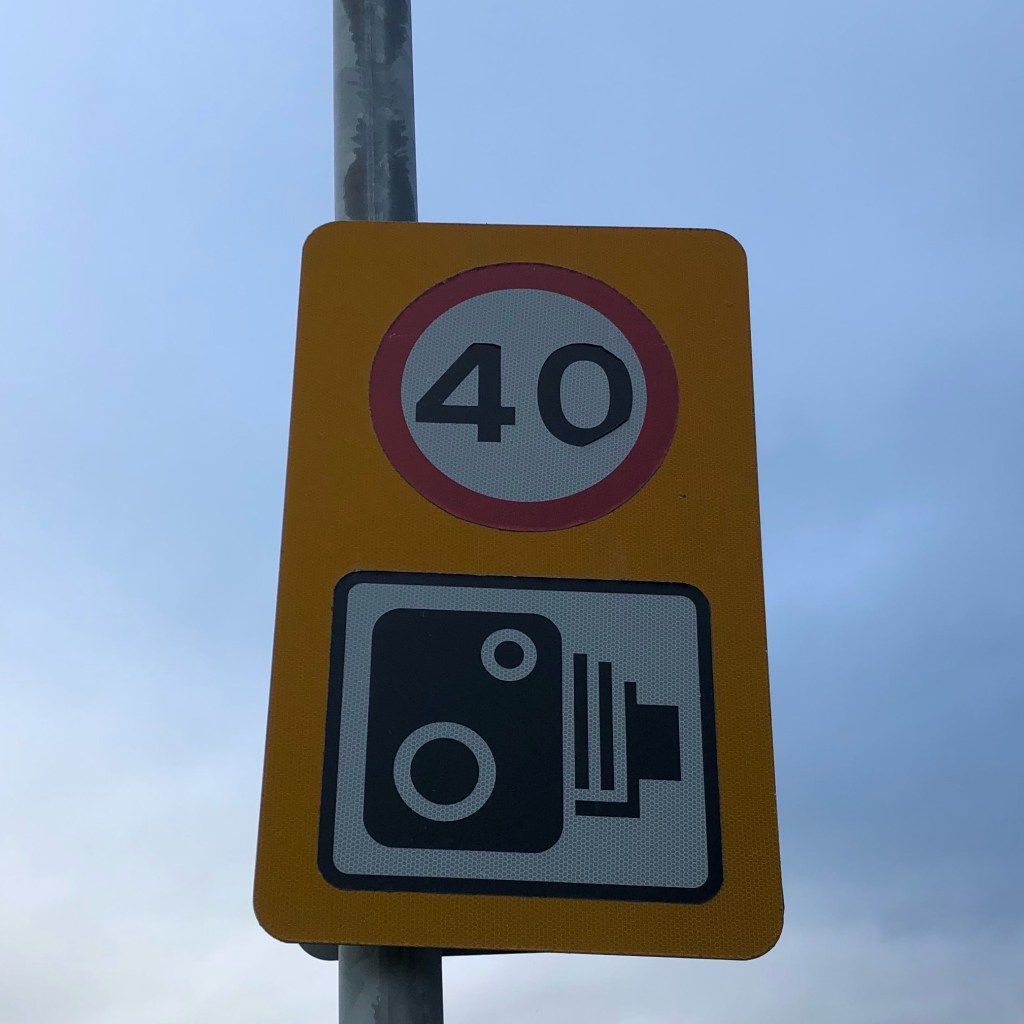
X, in this case, is the only tool in the box – a speed limit.
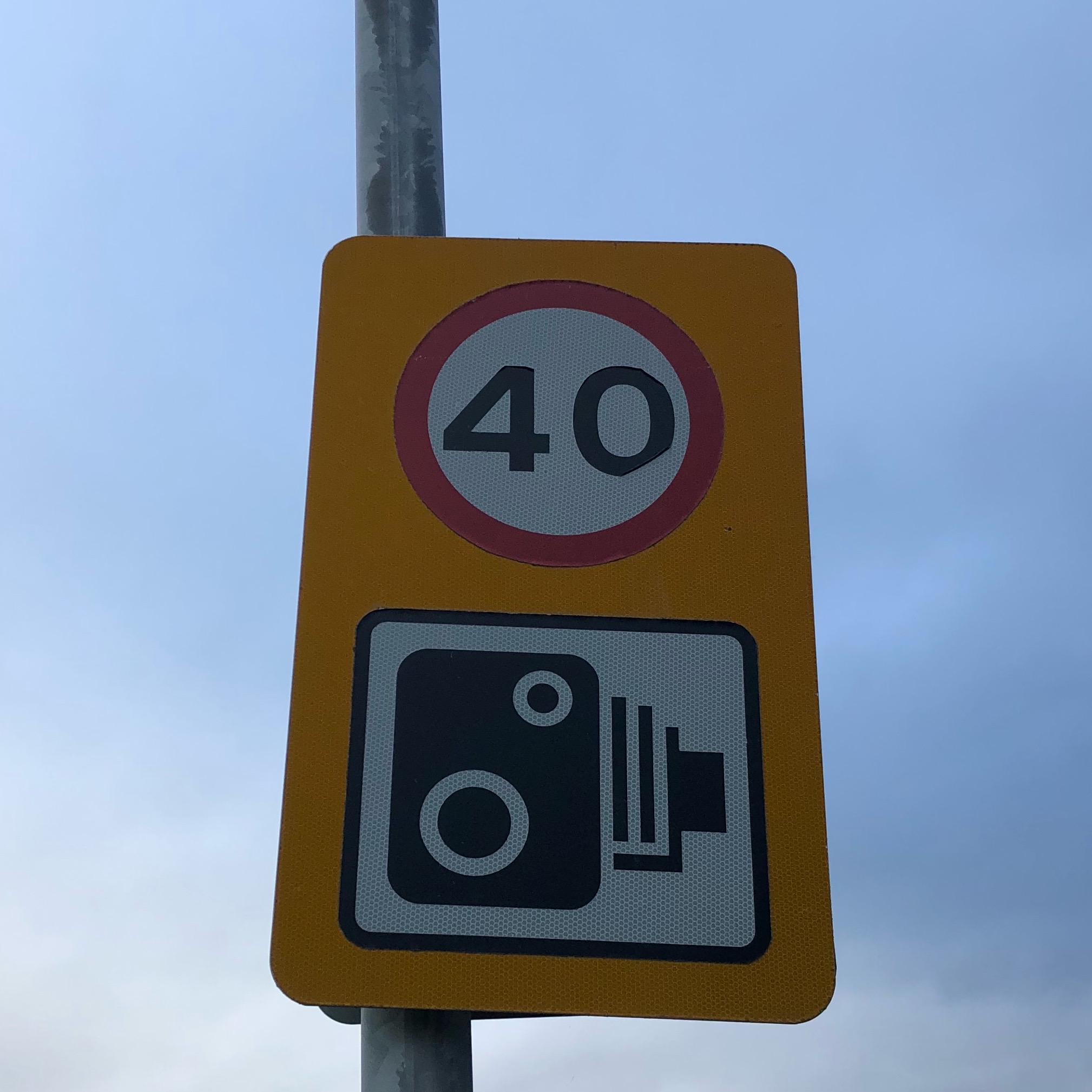
Problem is, it doesn’t work – and for a whole host of reasons – but principally because it doesn’t fix the problem of people’s limbic brain reactions.
There’s no point in using logic or reason when it comes to speed – people tune out
Because your limbic brain isn’t logical, you can deploy all the stats and figures you like, people simply glaze over and demand a lower limit. But it doesn’t matter how far you lower the limit, people will still get hacked off with ‘those speeding drivers’. It’s happening in Oxfordshire already even with blanket 20mph coverage.
Ultra-low limits still won’t work
Let’s imagine the limit gets lowered from 40 to 30 or a 40 to a blanket 20. In most places, it’ll still be “Those bloody speeding drivers”. I saw it myself this morning when I was chatting to a friend in my own village outside the Co-Op. A car came past, it’s a 20mph limit and the driver was well within it (comfortably, I’d say), but in second gear, so revving and a relatively narrow road gave an exaggerated sensation of speed. My friend’s reaction? You can guess.
What comes next?
Then, disappointed residents campaign for an even lower limit, calming, cameras, gateways, bumps – whatever. None of it will make them feel any safer because that emotional reaction will still be there. We can’t take away people’s annoyance and fear with numbers on sticks and humps.
I’m reminded of JJ Leeming’s quote in his 1969 book Road Accidents, Prevent or Punish:
“In the three years before (introduction of the speed limit) there had been twelve accidents. In the three years after, there were nineteen… As was my usual practice, I reported this to the local Road Safety Committee. At the meeting the Parish Council representative said: ‘My council doesn’t mind if the accidents have increased. We have got our speed limit! The Road Safety Committee supported him!’
The faith in magic numbers on sticks to make us safer is remarkable.
In Oxfordshire, the LibLabGreen Alliance comes along and promises free blanket 20s for everyone and we are where we are. Add in their desire to use limits to promote active travel (even though they’re not measuring their impact) and the water is even muddier.
Emotional opinions not rational argument
So rather than being an informed, logical debate it becomes a process of “who can hit with the most heartrending emotional story”. Brake and Roadpeace, for all their good work, are superb at it – putting up parents for media interviews who’ve so sadly lost children to ’speeding’ drivers who, on investigation, turn out to be way over the BAC limit, drugged and in a stolen car. A limit would have made no difference and they’d have been lethal even at 20mph, for all the studies’ claims that it’s fine to hit someone as long as it’s not at 30.
It’s gone so far that OCC didn’t even bother carrying out speed surveys before they imposed the blanket limits, let alone even taking DfT advice on setting limits at mean average speed (which in my view is insane as it criminalises half of drivers and especially the more competent: https://mmcmusings.com/2014/12/27/dolores-umbridge-in-charge-of-speed-limit-policy/).
Using the wrong tool for the job
The other big problem is County Hall’s current incumbents don’t understand even basic systems thinking. Sorry – another link: https://www.linkedin.com/pulse/why-you-need-sack-dead-bloke-whos-running-your-mark-mcarthur-christie/
Councillors are using the tools for a complicated system on a complex one. When it’s that way round it always takes longer for the problems to surface, but when they do they’re usually worse.
Sadly, I think we’re about to start seeing those problems surface – there’s so much more tailgating, frustration, anger, frustration overtakes… It’s even harder to cross the road because vehicles are bunching in 20 limits in a way they don’t in effectively-set limits.
And this is before we even get into the insane ‘driving by numbers’ limit change frequency.
I hope I’m wrong, but I think we’re about to see another very bad year for road safety indeed. Sadly, the response is unlikely to involve questioning the role of speed, speed limits and their enforcement. Instead, it’ll be “the medicine’s not working – make them take more!”




 MMC Musings
Leave a comment